 EN
EN


SIGN IN
Cart
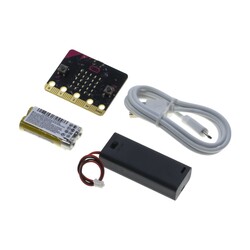
The BBC Micro:bit is a microcontroller platform developed as part of an education and technology initiative based in the United Kingdom. It is essentially a result of a widespread STEM (Science, Technology, Engineering, Mathematics) education initiative that gained traction in the UK. The Micro:bit offers students and hobbyists the opportunity to practice programming and electronics.
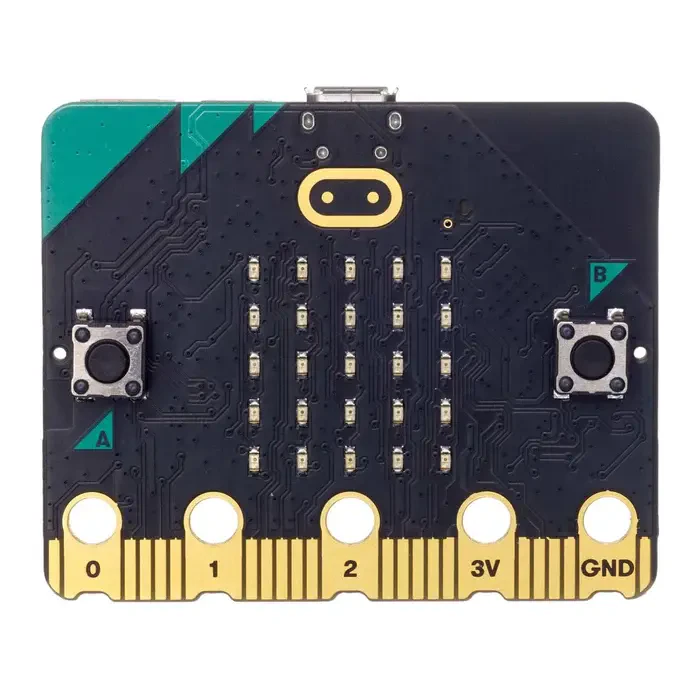
This miniature device is used as a microcontroller board and features LEDs, sensors, buttons, and connectors. Users can create simple electronic projects using these components, read environmental data through various sensors, and control the device using programming languages such as Python and JavaScript.
The BBC Micro:bit is primarily designed as an educational tool to help children and young people develop fundamental programming and electronics skills. It is also used to foster creativity and problem-solving abilities. It serves as an ideal platform for developers and students to start with programming and work on basic electronic projects.
LED Light Shows: Using the LED array on the Micro:bit, you can create colorful light shows, animations, and patterns.
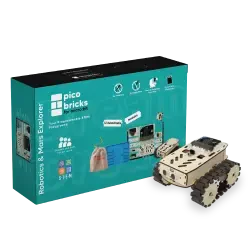
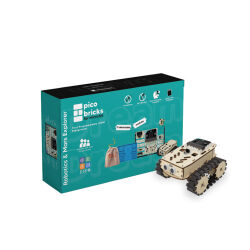
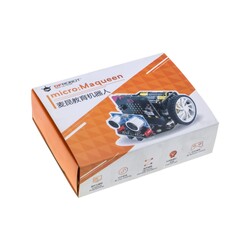
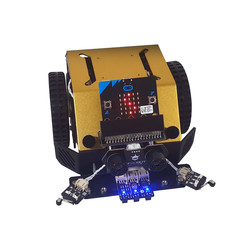
Robotics Control: The Micro:bit can be used to control robotic projects, such as robot cars, robot arms, or robotic animals, by programming their actions.
Weather Monitoring: Create a weather station by using temperature, humidity, and pressure sensors to monitor the weather conditions.
Light Sensors: Measure ambient light levels and respond accordingly using light sensors.
Bluetooth Control: The Micro:bit can communicate with other devices via Bluetooth, enabling interaction with devices like your phone or computer.
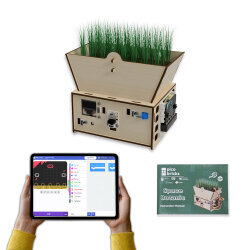
Plant Watering System: Automatically determine and water your plants based on soil moisture readings from soil moisture sensors.
Automation Projects: The Micro:bit can be used for home automation projects such as light control, curtain control, or remote device control.