 EN
EN


SIGN IN
Cart
Li-Po Battery
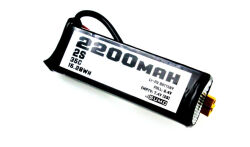
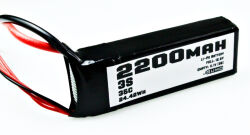
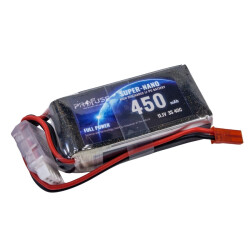
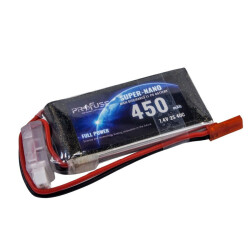
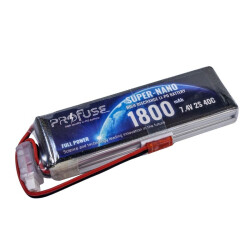
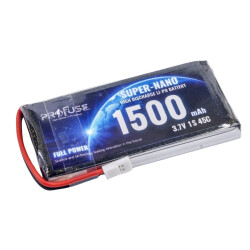
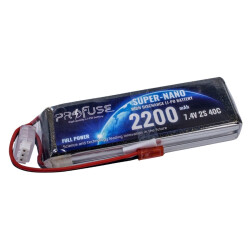
Li-Po (Lithium Polymer) batteries are rechargeable battery technology used as a power source in portable electronic devices, model aircraft, drones, RC vehicles, and various other applications. Li-Po batteries offer several advantages over traditional lead-acid batteries or NiMH (Nickel-Metal Hydride) batteries, making them a preferred choice in many applications.
High Energy Density: Li-Po batteries have a higher energy storage capacity per unit weight. This results in longer battery life and higher overall performance.
Lightweight and Slim Design: Li-Po batteries can have a flexible and slim structure, allowing them to adapt to various shapes and sizes. This makes them particularly suitable for applications requiring a lightweight and compact design.
Multi-Cell Configurations: Li-Po batteries allow for different voltage and capacity options by connecting multiple cells in series or parallel. This flexibility makes them suitable for applications with different voltage requirements.
Balanced Rechargeability: Li-Po batteries enable each cell to be charged equally using balance charging devices. This ensures the battery stays healthy for a longer duration.
Li-Po batteries are commonly used as power sources in many portable electronic devices, especially in drones, RC vehicles, model aircraft, electric bicycles, and other portable gadgets. However, caution must be exercised when using Li-Po batteries as improper usage, overcharging, or over-discharging can lead to damage or even explosions. Therefore, Li-Po batteries should be charged using specialized balanced charging devices and following manufacturer instructions.
Balance Charging: Li-Po batteries can be multi-cell (e.g., 2S, 3S, 4S). Use balance chargers to ensure each cell is charged equally. Imbalanced charging can shorten battery life and compromise safety.
Monitor the Battery: Keep an eye on your Li-Po battery while charging or in use. If the battery starts swelling, suddenly heats up, or emits smoke, cease usage immediately and place it in a safe location.
Be Cautious of Overcharging: Avoid overcharging Li-Po batteries
Be Cautious of Over-Discharging: To prevent excessive discharge, do not let the battery voltage fall below the recommended minimum. Over-discharging can cause permanent damage to the battery.
Be Aware of Fire and Explosion Risks: Li-Po batteries pose a risk of fire or explosion when overheated or punctured. Keep your battery away from sharp objects and protect it against impacts.
Transportation and Storage: When transporting or storing Li-Po batteries, use a suitable Li-Po battery bag or a fire-resistant container. Ensure the battery is not compressed and remains undamaged.
Carefully following these guidelines will help extend the life of your Li-Po batteries and ensure your safety. Read the user manual carefully and adhere to the manufacturer's instructions.
When storing Li-Po (Lithium Polymer) batteries, it's crucial to be careful and take safety precautions. Improper storage can lead to battery damage and even pose safety risks. Here are some essential tips on how to store Li-Po batteries correctly:
Use a Fire-Resistant Case: Use a fire-resistant Li-Po battery bag or a metal container to store Li-Po batteries. This helps limit potential fires or explosions in case of ignition.
Choose a Cool and Dry Location: Store Li-Po batteries in a cool and dry place. Extreme temperatures and humidity can negatively affect battery performance.
Protect from Sunlight: Avoid direct exposure of Li-Po batteries to sunlight. Sunlight can cause the battery to overheat and become damaged.
Select an Inaccessible Location: Store batteries in a location inaccessible to small children or pets. Li-Po batteries can be hazardous and may cause serious issues if swallowed or punctured.
Do Not Store Fully Charged or Fully Discharged: For long-term storage, it's recommended to store Li-Po batteries at around 50% charge. Storing at full charge or full discharge is not advisable.
Perform Periodic Checks: Regularly inspect Li-Po batteries
Battery Monitoring and Maintenance: Consider using battery monitoring devices while storing Li-Po batteries. These devices monitor battery voltage and temperature, alerting you if any issues arise.
To charge a Li-Po (Lithium Polymer) battery, you can follow these steps:
Use an Appropriate Charger: Select a suitable balance charger for your Li-Po battery. These devices maintain balance among the cells and prevent overcharging. Ensure the charger matches your battery's capacity.
Check Connections: Connect the positive (+) and negative (-) terminals of your Li-Po battery correctly to the charger. Incorrect connections can damage the batteries.
Set Battery Capacity: Adjust the battery capacity settings on the charger accurately. These settings should depend on factors such as the battery's capacity, cell count, and charging current.
Monitor Closely: Always keep your Li-Po battery under supervision during the charging process. Do not leave the battery unattended while charging.
Charge in a Suitable Environment: Avoid charging batteries near flammable materials or on a metal surface. Li-Po batteries can generate heat during charging and are sensitive to fire.
Check Charging Time: Charge your Li-Po battery for the required duration. Overcharging can lead to swelling and even explosion. Monitor LED indicators or displays that show when the battery is fully charged.
Do Not Immediately Use After Full Charge: Avoid using your Li-Po battery immediately after a full charge. Allowing the battery to rest and cool down for a short period is preferable.
By following these steps, you can safely charge your Li-Po batteries and extend their lifespan. Additionally, paying attention to usage and storage instructions is crucial.
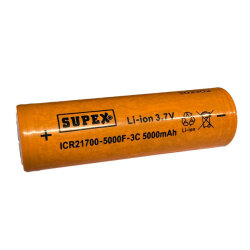
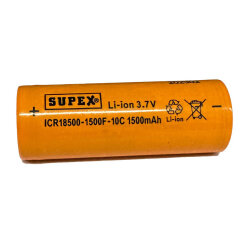
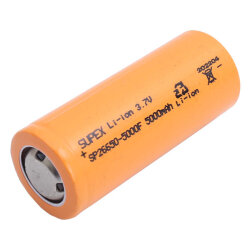
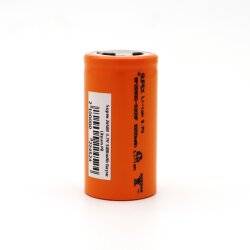
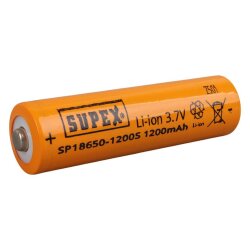
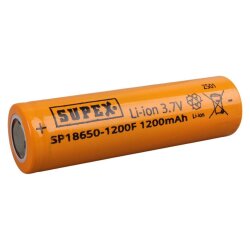
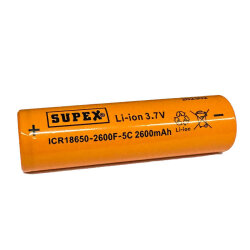
Li-ion (Lithium-Ion) battery is a type of rechargeable battery technology that produces electrical energy using electrochemical reactions of lithium ions. Li-ion batteries are widely used as a power source in portable electronic devices, owing to various advantages.
Here are the fundamental features of Li-ion batteries and explanations of how they work:
Rechargeable: Li-ion batteries are rechargeable, allowing them to be charged repeatedly. This makes them more economical and environmentally sustainable compared to single-use batteries.
High Energy Density: Li-ion batteries have high energy density per unit weight, providing longer battery life in portable devices.
Lightweight and Shape Flexibility: Li-ion batteries allow for a lightweight and slim design, making them ideal for portable devices. They can also be designed in various shapes to fit different applications.
Low Self-Discharge Rate: Li-ion batteries do not tend to lose energy during storage, resulting in a long shelf life.
Li-ion batteries consist of components such as a lithium cathode and a carbon anode. During charge and discharge, lithium ions move from the anode to the cathode, generating or storing electrical energy. The advantages of Li-ion batteries enable their use in electronic devices such as smartphones, laptops, tablets, and electric vehicles. However, proper use and maintenance are important for safety reasons. Overcharging, over-discharging, and physical damage can lead to issues with Li-ion batteries.